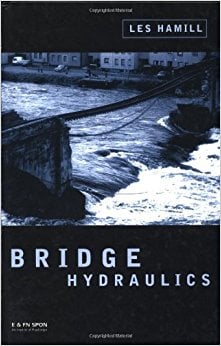
Bridge Hydraulics by Les Hamill
6 November 2017Table of Contents
Bridge Hydraulics by Les Hamill
Bridges don’t fail only because of overload or poor materials—many of the most expensive bridge problems come from water: scour around foundations, overtopping, debris accumulation, erosion, and unpredictable flood behavior. That’s why Bridge Hydraulics by Les Hamill is considered an important reference for engineers who want to understand how flowing water interacts with bridge structures in real conditions.
This book is written with strong practical relevance, combining hydraulic fundamentals with the real-world design and assessment challenges that civil and structural engineers face when dealing with rivers, floodplains, and bridge crossings.
Quick Overview
Title: Bridge Hydraulics
Author: Les Hamill
Main Focus: Hydraulic behavior at bridge crossings + design implications
Ideal Readers: Civil engineers, bridge engineers, highway designers, water/environment specialists, engineering students
Best Use Case: Bridge design, flood risk assessment, scour awareness, culvert/river crossing understanding
What This Book Covers
One of the strengths of Bridge Hydraulics is that it connects textbook fluid concepts to bridge engineering problems. It typically helps you understand topics such as:
-
Flow behavior around bridge piers and abutments
-
Scour mechanisms and why foundations are vulnerable during floods
-
Backwater effects and how bridges can increase upstream water levels
-
Hydraulic performance of bridge openings
-
High-flow events and how velocity changes impact erosion
-
Debris and blockage effects on flow and structural risk
-
Practical approaches to estimating hydraulic forces and risks
In short, it teaches you how to think like an engineer who designs bridges for the river that exists, not only for the drawing board.
What I Liked Most (Strengths)
1) Strong real-world engineering relevance
This book doesn’t treat hydraulics as an abstract topic—it frames it around the issues that lead to real bridge failures, damage, and costly maintenance problems.
If you’ve ever seen scour holes or washed-out approach roads, you’ll immediately see the value of the content.
2) Clear focus on bridge-specific hydraulics
Many hydraulics books cover rivers, channels, or flood routing in general—but Bridge Hydraulics targets the specific problem zone engineers care about most:
📌 The bridge crossing, where flow accelerates, turbulence increases, and erosion becomes critical.
3) Useful for design and assessment work
It’s valuable not only for new bridge design, but also for:
-
assessing existing bridges for hydraulic vulnerability
-
understanding why a bridge performs poorly during floods
-
improving resilience against extreme events
What Could Be Better (Limitations)
1) Not a full replacement for your national hydraulic standards
This is a technical learning and guidance resource—not a substitute for official hydraulic manuals, local drainage standards, or authority requirements. You’ll still need your regional codes for final design decisions.
2) Readers need some basic hydraulics comfort
The book becomes much easier to follow if you already know:
-
basic open-channel flow concepts
-
velocity and energy principles
-
Manning’s equation basics
-
flow regimes and head losses
Who Should Read Bridge Hydraulics?
Highly recommended for:
-
bridge design engineers working near rivers and floodplains
-
civil engineers involved in drainage/flood assessments
-
engineers reviewing scour risks and foundation exposure
-
students looking to specialize in bridges and water interaction
Less essential for:
-
engineers who never work near waterways
-
readers seeking only advanced CFD methods (this is more applied and engineering-focused)
Final Verdict
Bridge Hydraulics by Les Hamill is a practical and insightful guide for understanding how water impacts bridge safety, performance, and long-term durability. It gives engineers the hydraulic awareness needed to avoid expensive mistakes—and more importantly, to design bridges that remain safe under real flood conditions.