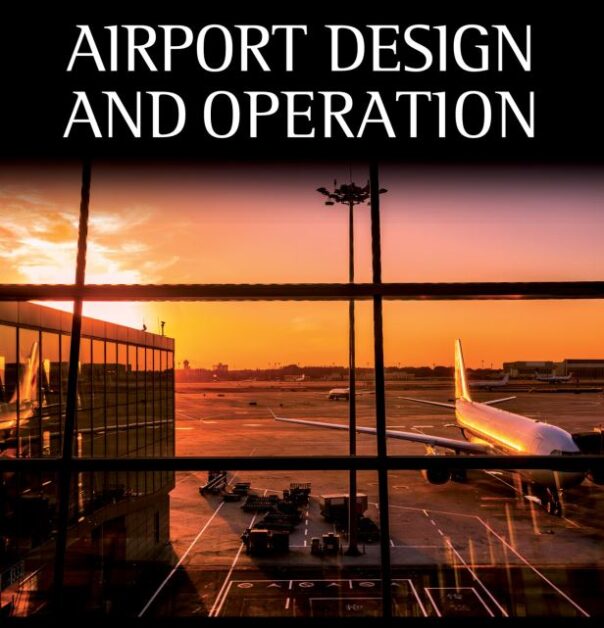
Airport Design And Operation PDF
20 December 2020Table of Contents
Airport Design and Operation: Planning, Engineering, and Operational Excellence
Airport design and operation is a multidisciplinary field that combines civil engineering, transportation planning, aviation safety, and operational management. Modern airports are complex infrastructure systems that must safely accommodate aircraft movements, passengers, cargo, and support services while maintaining efficiency and regulatory compliance.
Effective airport design is inseparable from successful airport operation.
What Is Airport Design and Operation?
Airport design focuses on the physical layout and infrastructure required to support aviation activities, while airport operation addresses how these facilities function on a daily basis. Together, they aim to:
-
Ensure safe aircraft operations
-
Optimize passenger and cargo flow
-
Support long-term capacity growth
-
Meet international aviation standards
Airport design decisions directly influence operational efficiency and safety.
Key Components of Airport Design
1. Airside Facilities
Airside design includes all areas used directly by aircraft, such as:
-
Runways and taxiways
-
Aprons and aircraft parking stands
-
Runway safety areas and clear zones
These elements are designed to withstand heavy aircraft loads and strict geometric requirements.
2. Landside Facilities
Landside design focuses on passenger and vehicle access, including:
-
Terminal buildings
-
Roadways and parking facilities
-
Public transportation connections
Efficient landside design reduces congestion and improves passenger experience.
3. Terminal Design
Terminal buildings must balance functionality, comfort, and security. Design considerations include:
-
Passenger circulation
-
Check-in and security screening
-
Baggage handling systems
-
Emergency evacuation routes
Good terminal design supports smooth airport operation.
Airport Pavement Design
Airport pavements are subjected to extreme loading conditions. Pavement design considers:
-
Aircraft weight and gear configuration
-
Traffic frequency
-
Subgrade soil conditions
-
Environmental factors
Durable pavement design reduces maintenance costs and operational disruptions.
Airport Operations and Air Traffic Flow
Airport operation involves managing aircraft movements safely and efficiently. This includes:
-
Runway scheduling and capacity management
-
Taxiway routing
-
Coordination with air traffic control
Operational planning ensures maximum capacity while maintaining safety margins.
Safety and Regulatory Requirements
Airport design and operation must comply with national and international aviation standards. These regulations govern:
-
Runway dimensions and separation
-
Obstacle limitation surfaces
-
Fire and rescue services
-
Emergency planning
Compliance is essential for certification and continuous operation.
Environmental Considerations in Airport Design
Modern airport projects integrate environmental planning, including:
-
Noise mitigation
-
Stormwater management
-
Air quality control
-
Sustainable construction practices
Environmental performance is increasingly important in airport development.
Airport Capacity Planning and Expansion
Airport design must anticipate future demand. Capacity planning addresses:
-
Forecasted passenger growth
-
Aircraft fleet evolution
-
Terminal and runway expansion
Flexible design allows airports to adapt to changing operational needs.
Integration of Design and Operation
Successful airports are designed with operations in mind. Close coordination between designers and operators ensures:
-
Efficient maintenance access
-
Clear operational sightlines
-
Reduced operational conflicts
Poor integration can lead to long-term inefficiencies.
Role of Civil Engineers in Airport Design
Civil engineers play a central role in:
-
Pavement and drainage design
-
Earthworks and foundations
-
Structural design of terminals
-
Infrastructure resilience
Airport projects require both technical expertise and systems thinking.
Why Airport Design and Operation Matter
Airports are critical transportation hubs. Proper design and operation:
-
Enhance aviation safety
-
Improve passenger experience
-
Reduce operational costs
-
Support economic development
As air travel continues to grow, well-designed airports are essential for global connectivity.
Who Should Study Airport Design and Operation?
This field is important for:
-
Civil and transportation engineers
-
Airport planners and consultants
-
Infrastructure project managers
-
Students specializing in transportation engineering
Understanding both design and operation leads to better infrastructure decisions.
Final Thoughts
Airport design and operation is more than constructing runways and terminals—it is about creating an integrated system that functions safely, efficiently, and sustainably. By aligning engineering design with operational needs, airports can meet today’s demands while preparing for the future.