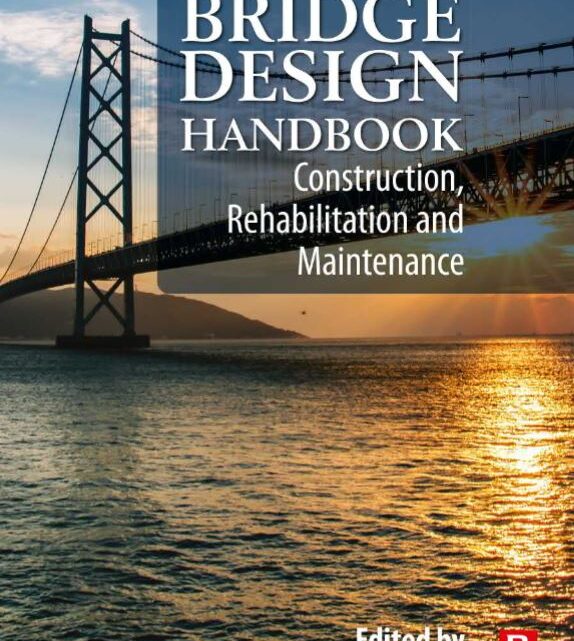
Innovative Bridge Design Handbook – Conctruction Rehabilitation and Maintenance Free PDF
3 December 2021Table of Contents
Innovative Bridge Design Handbook: Construction, Rehabilitation, and Maintenance – Book Review
The Innovative Bridge Design Handbook: Construction, Rehabilitation, and Maintenance is a professional reference focused on modern bridge design approaches, with strong attention to construction methods, rehabilitation techniques, and long-term maintenance.
This book is intended for engineers involved in bridge design, inspection, repair, and asset management.
Book details
-
Title: Innovative Bridge Design Handbook: Construction, Rehabilitation, and Maintenance
-
Field: Bridge Engineering / Structural Engineering
-
Focus: Design innovation, rehabilitation, and maintenance
-
Language: English
-
Format: Professional reference handbook
What this book covers
The handbook addresses the full life cycle of bridges, from new design concepts to maintaining existing structures.
Main topics include:
-
Innovative bridge design concepts
-
Modern construction methods for bridges
-
Bridge materials and durability
-
Structural rehabilitation techniques
-
Strengthening and retrofitting of bridges
-
Inspection and condition assessment
-
Maintenance strategies and lifecycle considerations
The book emphasizes practical solutions and real engineering challenges faced by bridge owners and designers.
Why this book is useful
-
Focuses on existing bridges, not only new construction
-
Covers both design innovation and maintenance planning
-
Useful for extending the service life of bridge structures
-
Supports decision-making for rehabilitation projects
This makes it a valuable resource for engineers working on bridge upgrades and maintenance programs.
Who should read this book?
This book is recommended for:
-
Bridge and structural engineers
-
Infrastructure asset managers
-
Construction and rehabilitation specialists
-
Graduate students in bridge or structural engineering
-
Engineers involved in bridge inspection and repair
Pros and limitations
Pros
-
Strong focus on rehabilitation and maintenance
-
Practical approach to real bridge problems
-
Relevant to modern infrastructure challenges
Limitations
-
Not a replacement for national bridge design codes
-
Detailed design should always follow local standards
Official and legal book link
For legal access and purchase options, use the official publisher page:
👉 Official publisher page:
https://www.elsevier.com/books/innovative-bridge-design-handbook
(Available in print, eBook, or through institutional libraries.)
Final note
This article is a review and reference guide only.
We do not provide free or pirated copies of books. Always use official publishers or university libraries for professional and academic resources.