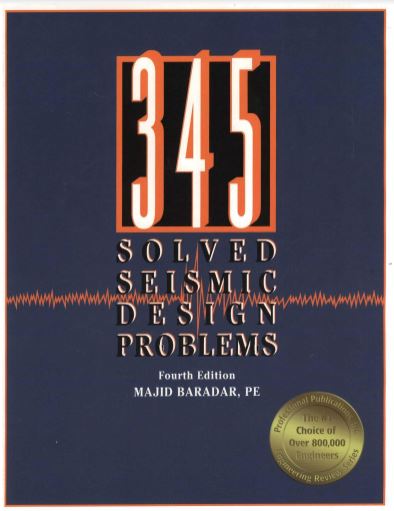
345 Solved Seismic Design Problems Free PDF
10 January 2021Table of Contents
345 Solved Seismic Design Problems: A Practical Guide for Structural Engineers
345 Solved Seismic Design Problems is a highly regarded problem-based reference for structural and earthquake engineers. Widely used by practicing professionals and advanced students, the book focuses on hands-on seismic design calculations supported by clear explanations and step-by-step solutions.
Rather than presenting theory alone, this book emphasizes practical problem solving, making it especially valuable for engineers who want to master seismic design through worked examples.
What Is “345 Solved Seismic Design Problems” About?
The book is designed to help engineers understand how seismic design principles are applied in real calculations. Each problem reflects realistic design scenarios encountered in professional practice.
The emphasis is on:
-
Applying seismic codes correctly
-
Understanding structural behavior under earthquake loading
-
Translating theory into practical design decisions
This makes the book a strong complement to seismic design textbooks and structural analysis software.
Key Topics Covered in the Book
1. Fundamentals of Seismic Design Calculations
The book starts by reinforcing core concepts such as:
-
Seismic forces and load combinations
-
Base shear calculation
-
Distribution of lateral forces
-
Importance factors and response modification factors
These fundamentals are illustrated through clear numerical examples.
2. Seismic Analysis of Building Structures
Many problems focus on seismic analysis of buildings, including:
-
Reinforced concrete frames
-
Shear wall systems
-
Dual structural systems
The solutions show how to:
-
Determine design seismic forces
-
Analyze lateral load paths
-
Check structural demand versus capacity
3. Code-Based Seismic Design
A major strength of the book is its focus on code-oriented design problems, helping engineers understand how to:
-
Interpret seismic code provisions
-
Apply load combinations correctly
-
Verify drift and strength requirements
This is especially useful for engineers working under modern seismic design standards.
4. Ductility and Detailing Concepts
Several solved problems address:
-
Ductile detailing requirements
-
Capacity design principles
-
Member proportioning for seismic resistance
These examples help engineers avoid common mistakes that can lead to brittle failure.
5. Practical Engineering Judgment
Beyond equations, the book emphasizes:
-
Reasonable assumptions
-
Interpretation of results
-
Design checks that matter most in seismic performance
This focus on judgment is what makes the book particularly valuable for real-world practice.
Who Should Use This Book?
345 Solved Seismic Design Problems is ideal for:
-
Structural engineers designing buildings in seismic regions
-
Civil engineering students studying earthquake engineering
-
Engineers preparing for professional licensing or certification exams
-
Practitioners seeking practical seismic design experience
It is especially useful for engineers who learn best through worked examples rather than purely theoretical explanations.
Why This Book Is Still Relevant Today
Even with advanced seismic analysis software available today, engineers must still:
-
Understand input parameters
-
Validate software output
-
Ensure code compliance
This book remains relevant because it:
-
Strengthens calculation skills
-
Reinforces understanding of seismic design logic
-
Helps engineers interpret and verify software results
How This Book Complements Structural Design Software
Modern tools such as ETABS, SAP2000, and other structural analysis programs are powerful, but they rely on correct modeling and interpretation.
This book helps engineers:
-
Check hand calculations against software output
-
Understand load paths and force distribution
-
Identify unrealistic results early in the design process
It supports better and safer engineering decisions.
Final Thoughts
345 Solved Seismic Design Problems is a practical and educational reference that helps engineers build confidence in seismic design through clear, worked examples. By focusing on real calculations and engineering judgment, it bridges the gap between theory, code requirements, and professional practice.